
Aug 15 - 16
G10 COLLECTIVE
Pop Up Vol 3
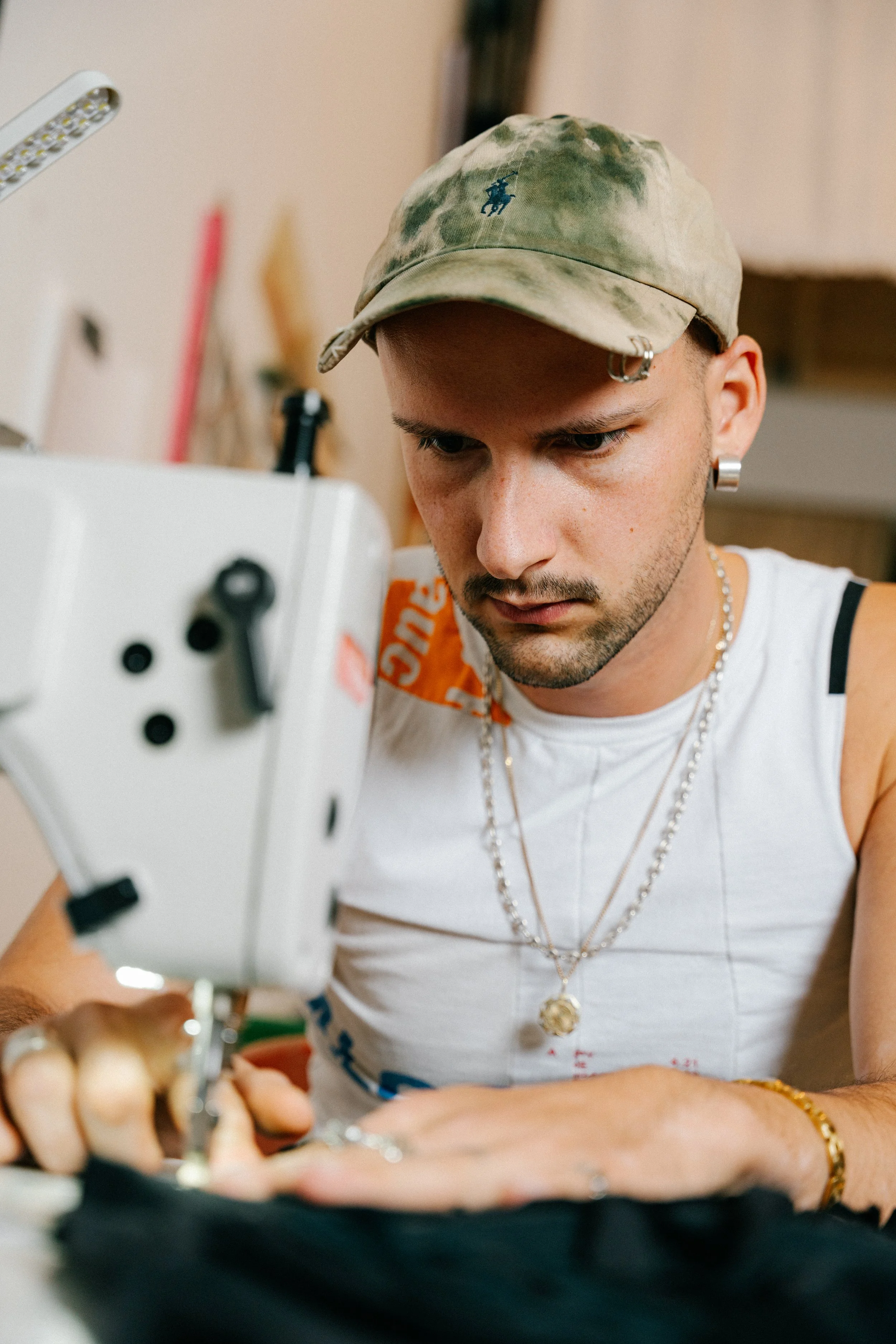
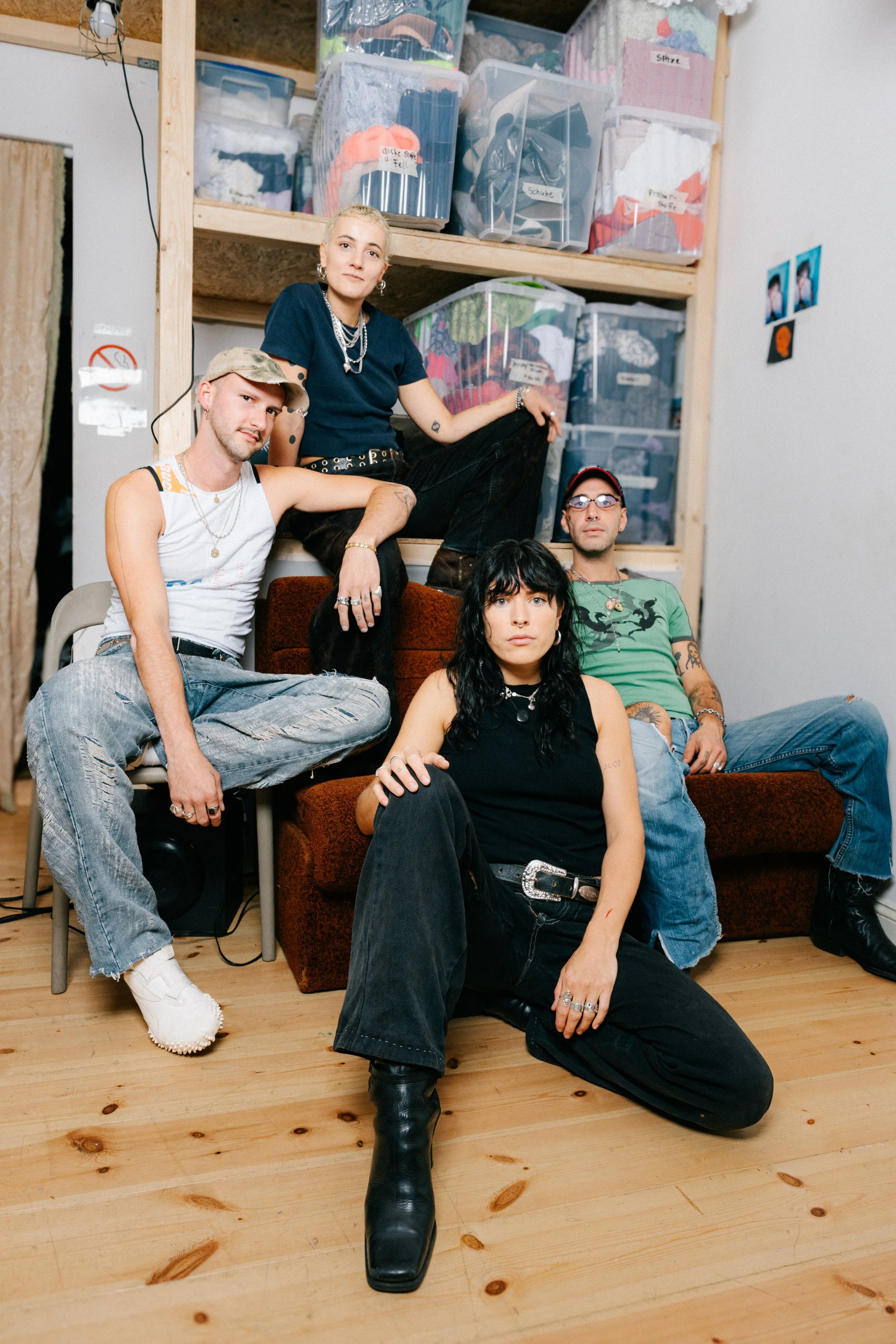
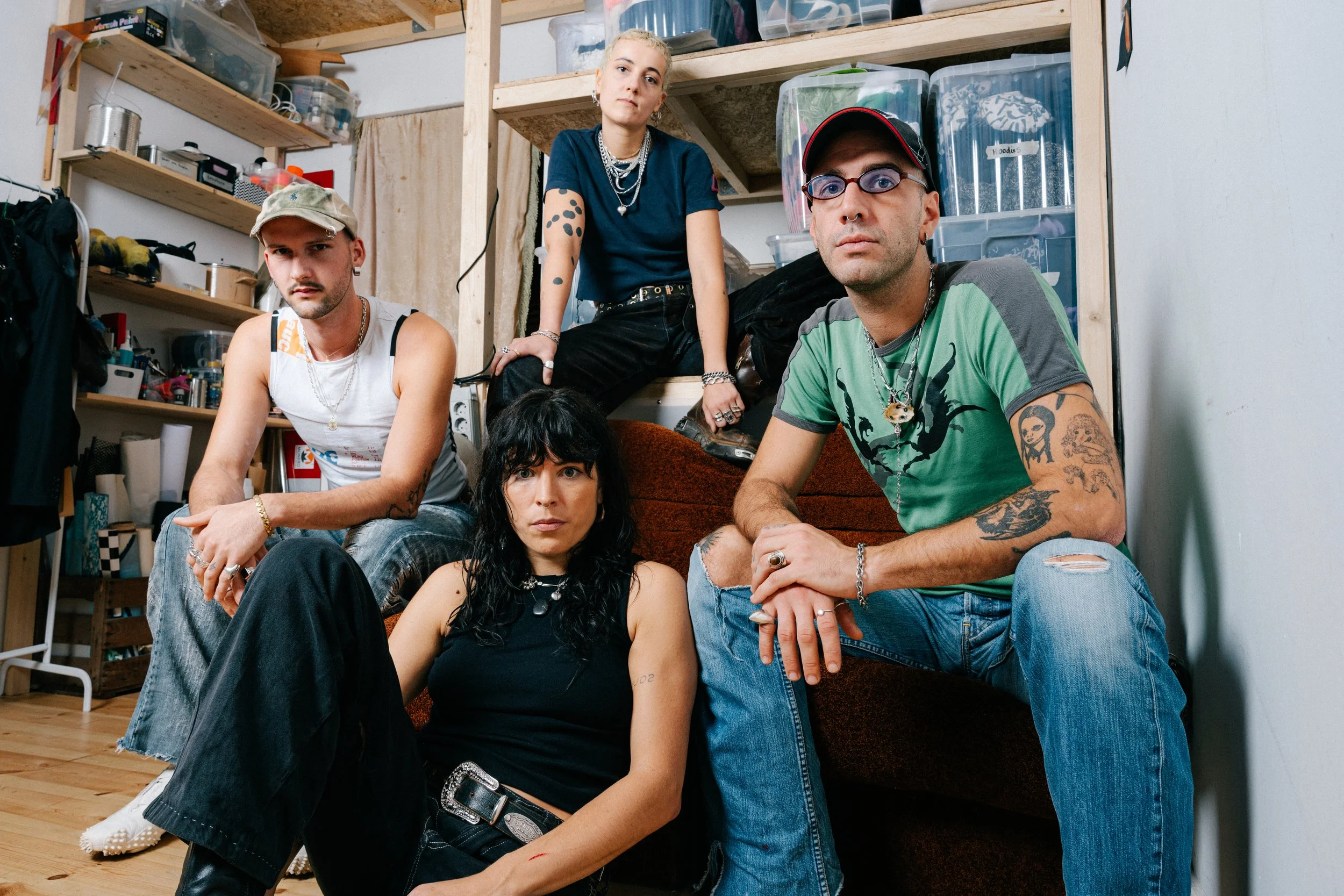
We’re GI0 Collective, a group of friends who came together through shared interests, creative projects, working and just spending a lot of time together. Before we officially became a collective, we were already hanging out, studying similar things, sharing hobbies, and bouncing ideas off each other.
At some point, we realised we wanted to make something out of that, a space where life and work, the personal and the creative, could mix naturally. Since then, GI0 has become a place for collaboration and experimentation. We’ve put on exhibitions, fashion shows, and pop-ups, always keeping that sense of community that started it all.
BH
What’s the story behind the name of your collective?
Honestly, it started pretty casually. Back then, more of us were living together. We shared a backyard and a studio, which became this natural hub for friends and creative projects. One of our friends basically said, “You’re all creative, you all have skills, you should actually do something together.” She kind of threw us into it, suggesting we put on an event and show our work.
GI0 wasn’t a serious name, but just a short form of our address. It’s also where we held our first show, and it snowballed from there. Looking back, that push was probably exactly what we needed to start.
What themes or ideas are you exploring in this new show at Backhaus?
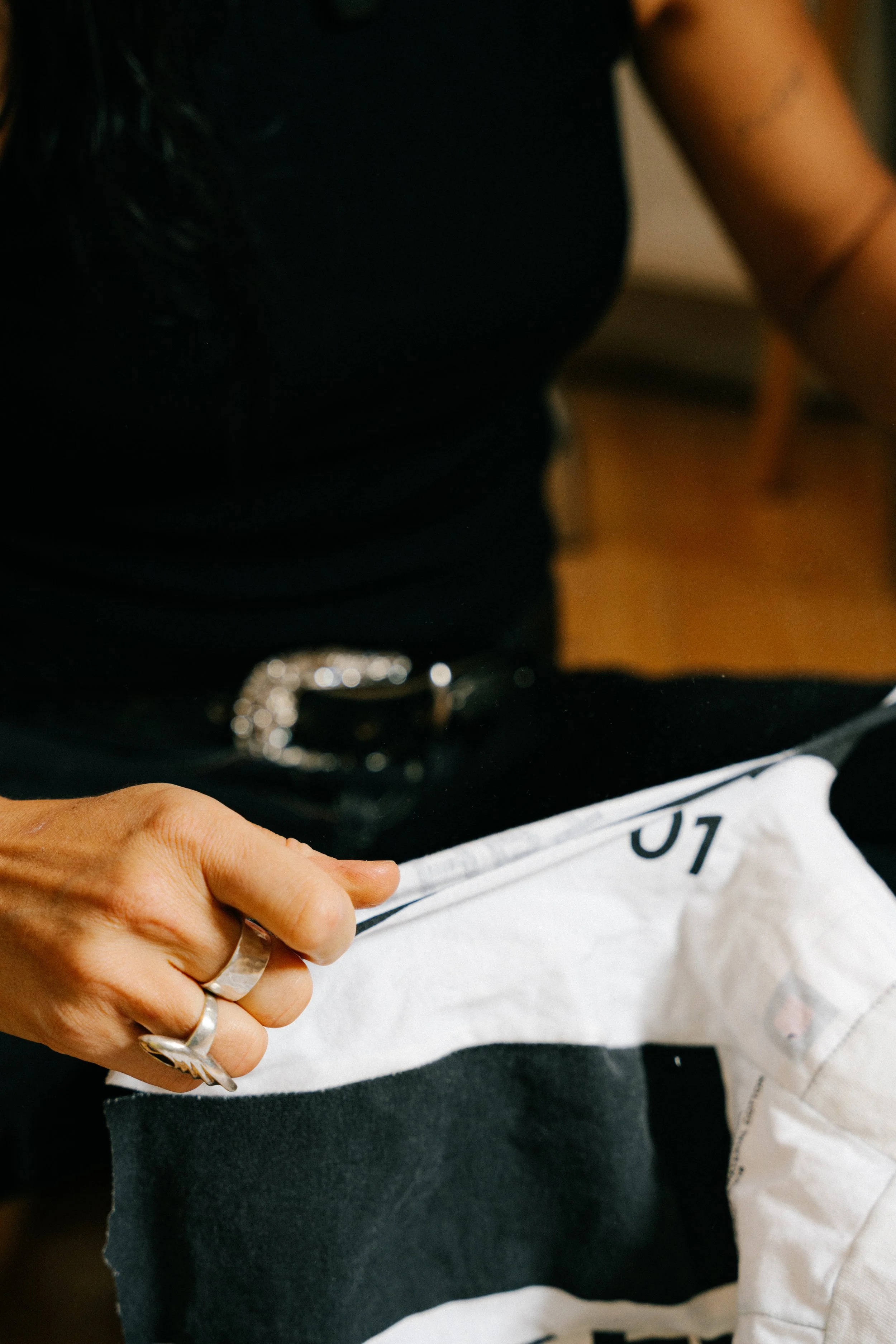
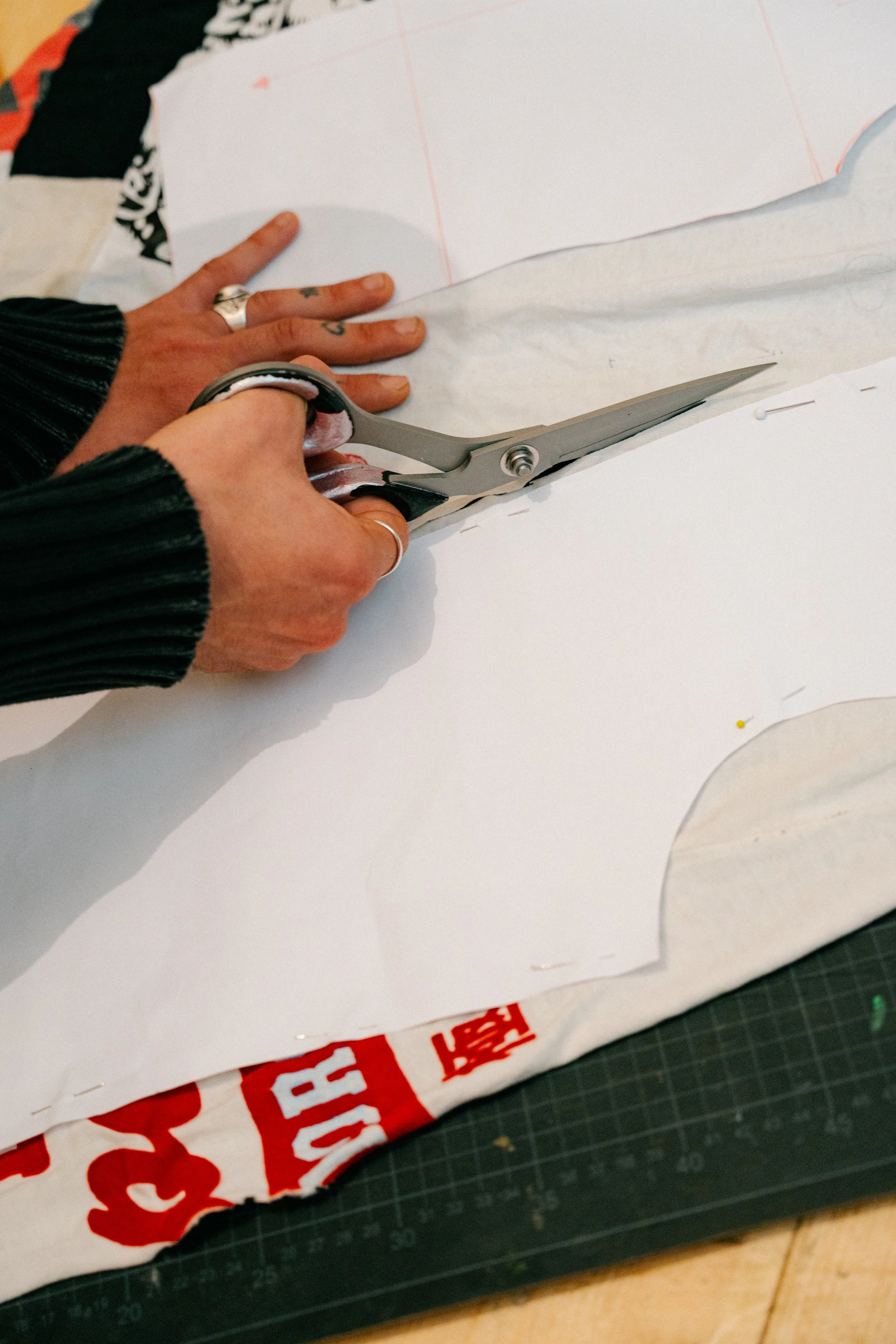
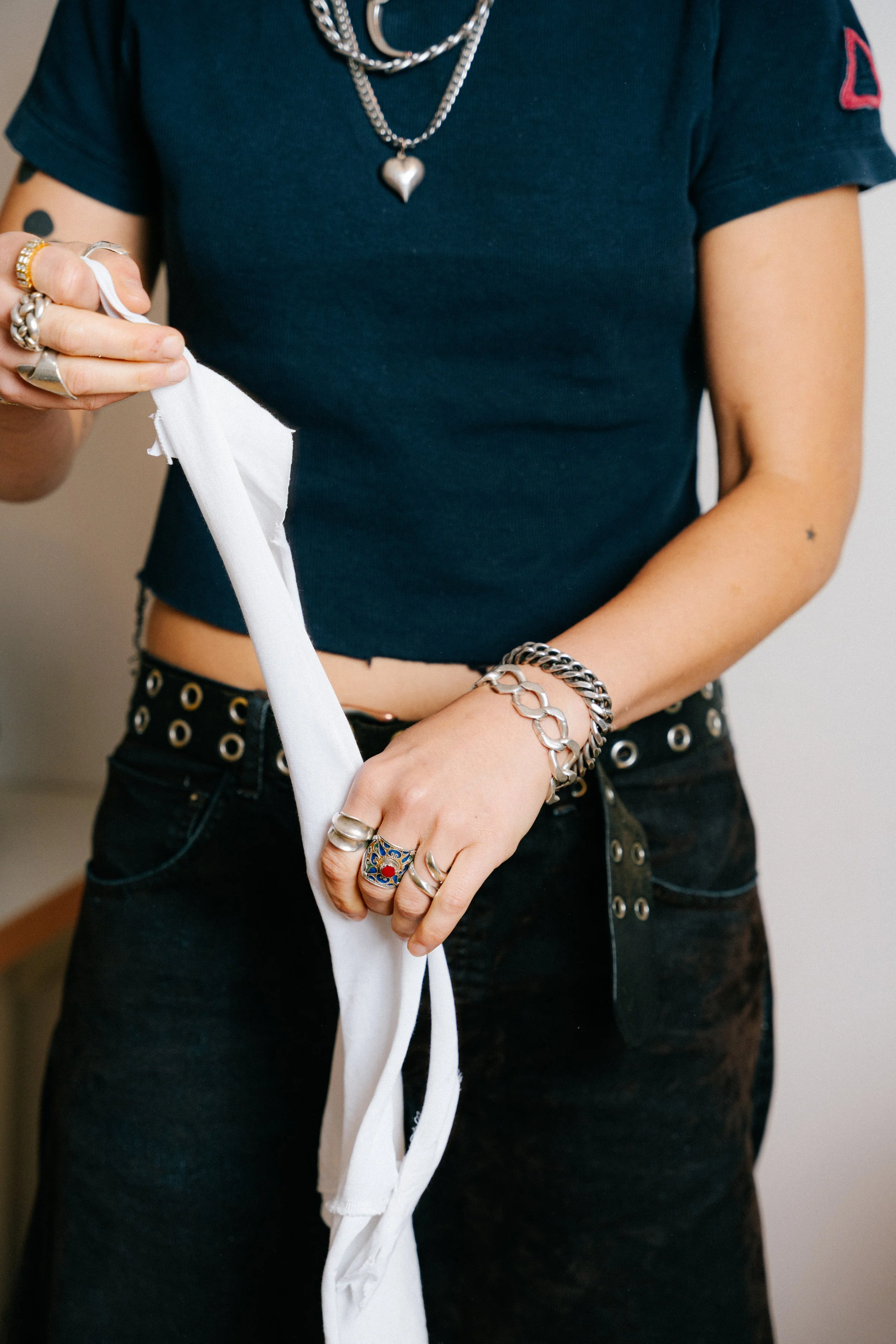
For this show at Backhaus, we’re focusing on spontaneity, sustainability, and community. The pop-up format gives us the freedom to experiment and try out ideas without all the usual pressure or strict rules. We’re reworking some of our older designs, making them easier to wear and focusing on small-scale production with mindful material use. It’s about making fashion that feels personal and accessible, but still stays true to what we care about — collaboration and conscious creation.
How does working as a collective influence the design process compared to working solo?
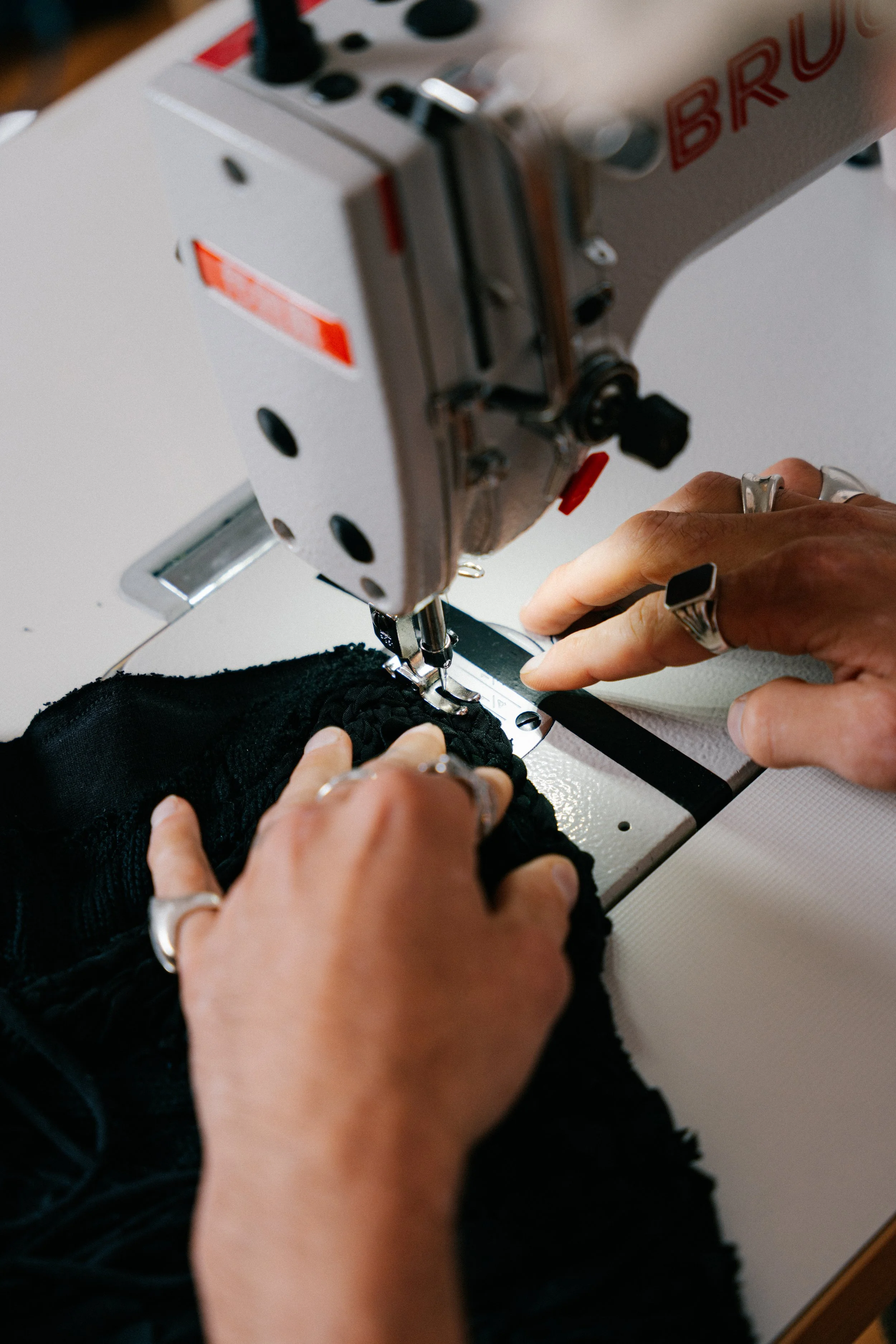
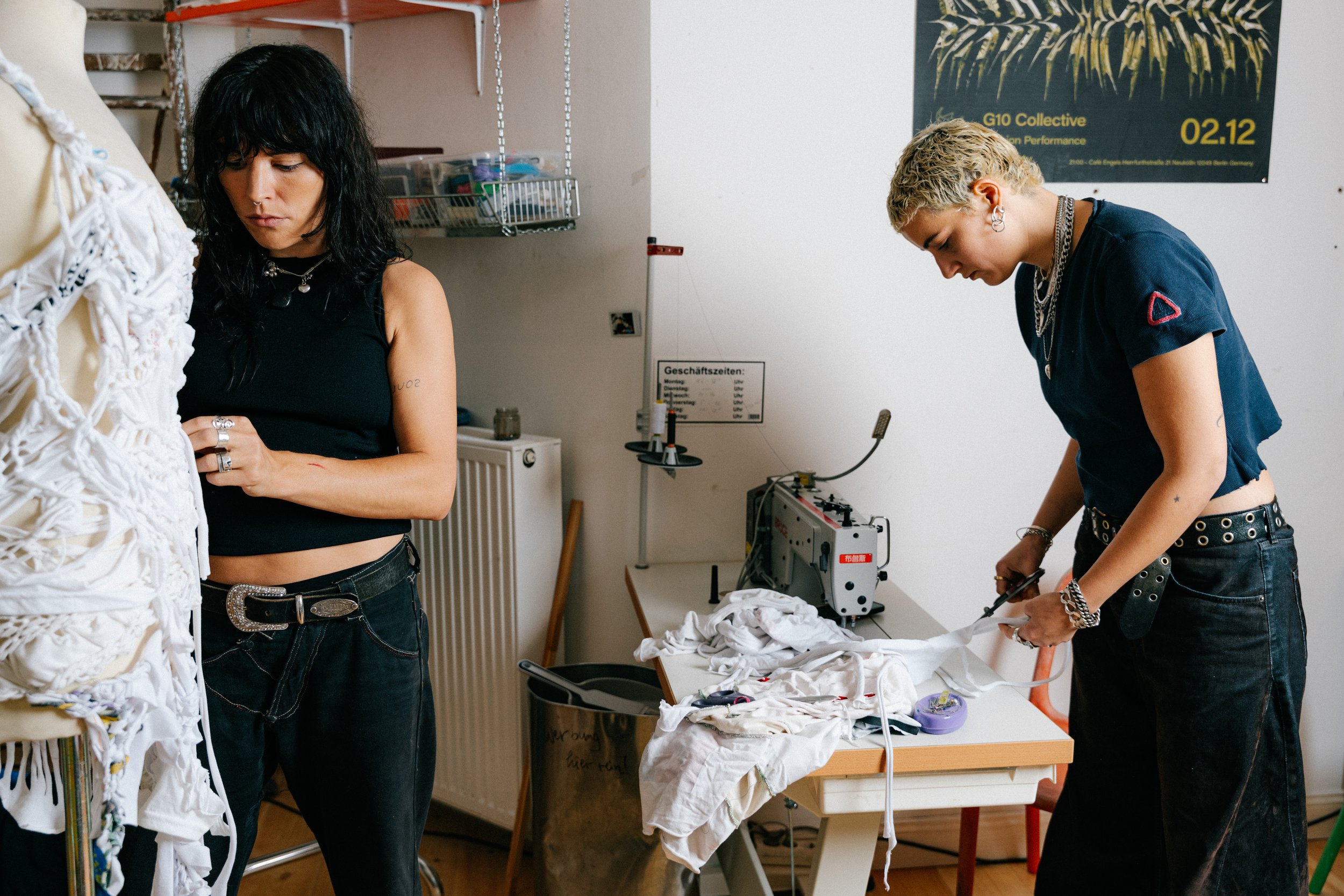
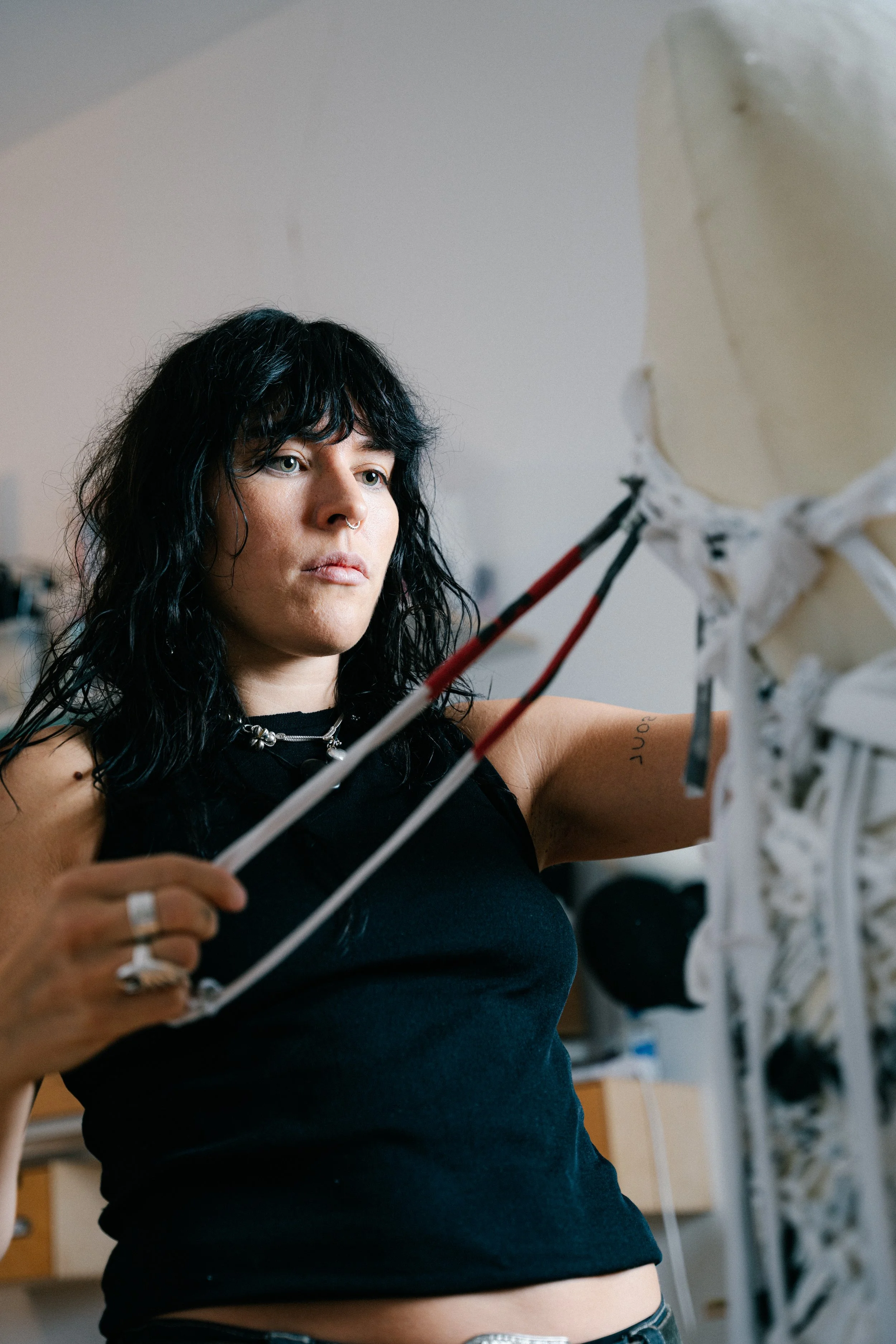
Working as a collective changes everything. Everyone brings different strengths — patternmaking, styling, sewing, creative ideas — so you’re never stuck on your own. You can ask questions, get feedback right away, and suddenly ideas go in directions you wouldn’t have thought of alone. It’s more flexible and collaborative, and the final result is shaped by all of us, not just one person’s vision.
“We’re a mix of backgrounds and perspectives, so there’s always a lot of talking and exchanging going on.”
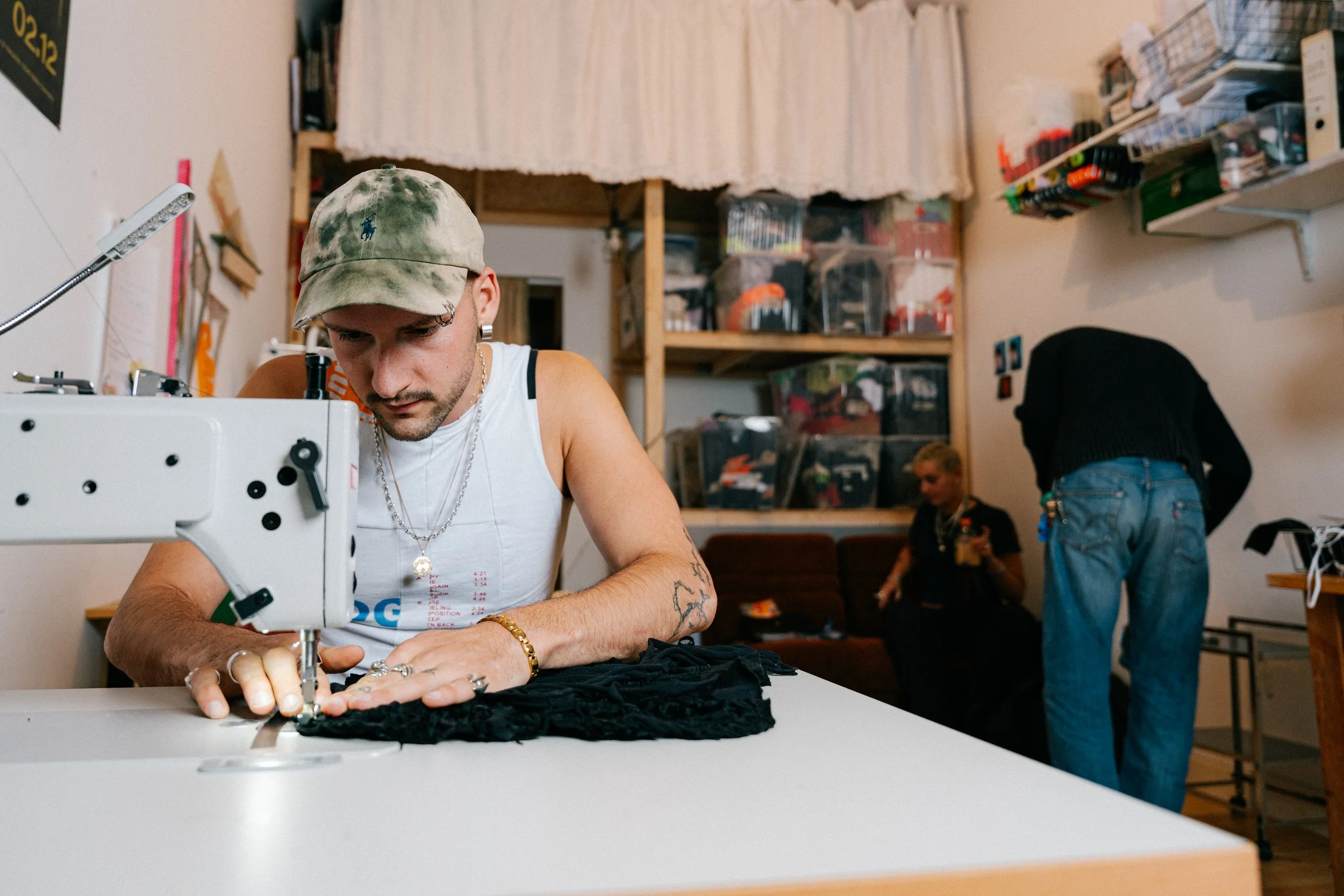
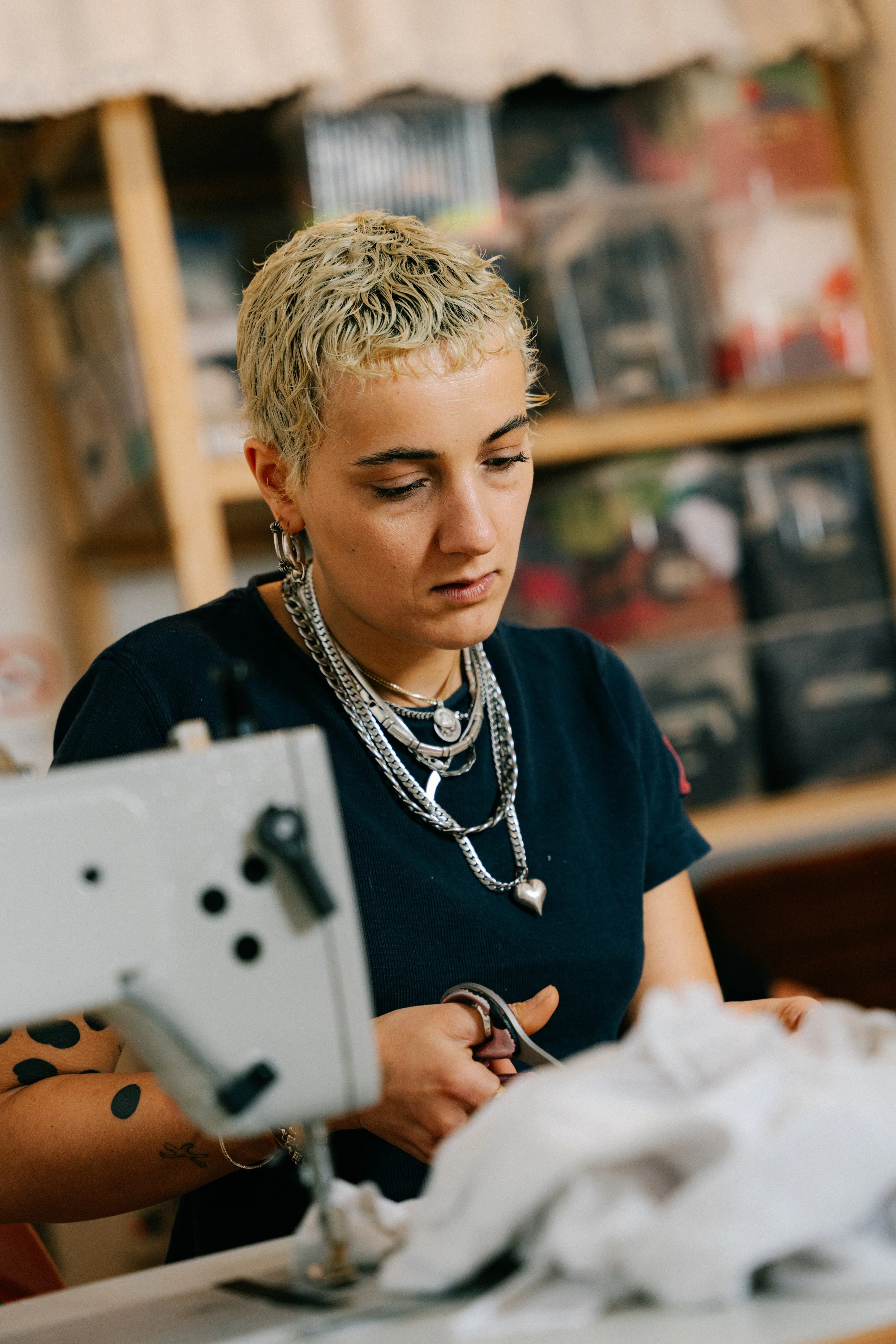
Can you walk us through your process from concept to final garment?
Usually it starts with one of us bringing a simple idea or mood to the group — nothing fancy, just something that gets people thinking. For our biggest show so far in Körnerpark, it was a bit chaotic. At first, we thought about joining 48 Hours Neukölln but missed the deadline to get a location. Then Pippo came back with the idea “Guys, let’s do it in Körnerpark” and we scrambled to figure out how to make it work — and it did. From there we talked a lot, planned together, and made sure everyone’s designs fit into a shared vibe. It’s about balancing individual creativity with a collective story.
How do politics, identity, or culture inform your designs?
We’re a mix of backgrounds and perspectives, so there’s always a lot of talking and exchanging going on. We focus on slow fashion, upcycling, and sharing resources, while questioning the usual fashion system. We also want to make fashion less serious and more approachable. It can feel so elitist and stiff in Berlin sometimes. For us, it’s important that people feel invited in, that fashion is fun and natural, not just for an exclusive crowd.
How do you see your work in relation to the current state of fashion, both mainstream and underground?
We’re somewhere in between. We don’t follow trends, but we do keep an eye on what’s happening and take inspiration from the underground scenes. At the same time, we want what we make to be wearable and relatable beyond just niche groups. It’s about moving at our own pace and focusing on care, collaboration, and experimentation rather than chasing what’s popular right now.
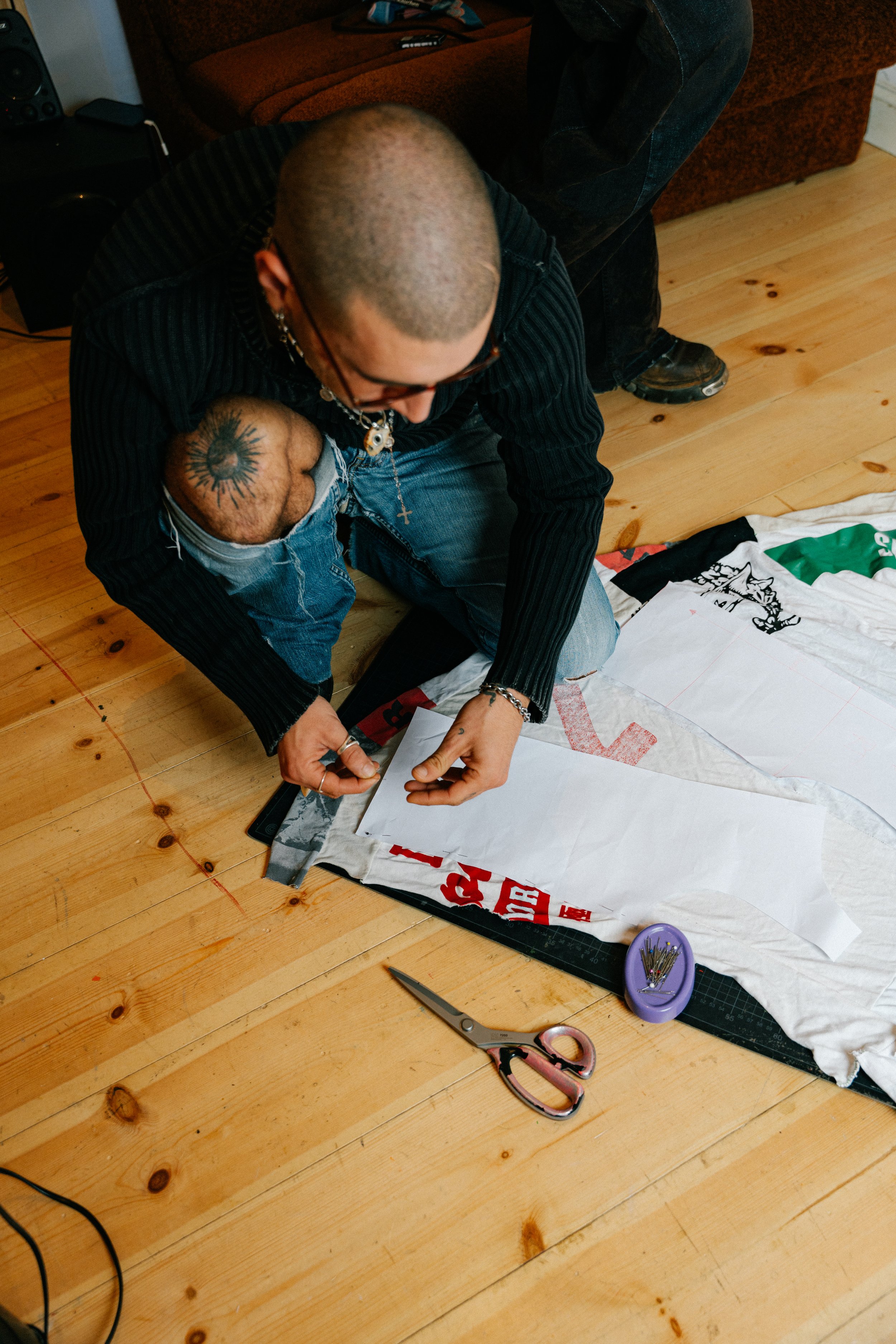
What’s something people don’t usually see or appreciate about what goes into producing a show like this?
A lot of people don’t realize how much communication and coordination go into it especially as a collective. Everyone has to be on the same page, and with limited budgets and mostly upcycled materials, you need to be extra creative. What looks easy and smooth on the runway usually comes after weeks or months of juggling, improvising, and working late into the night.
Any funny or chaotic moments from the lead-up you’d be willing to share?
Honestly, it’s always a bit chaotic. We all have other jobs and not much time, so planning is tricky. At the start it feels like there’s plenty of time, but then suddenly it’s last minute and we’re sewing late into the night, or a model cancels last second. It’s kind of our normal to have a mix of stress and excitement right up to the show.
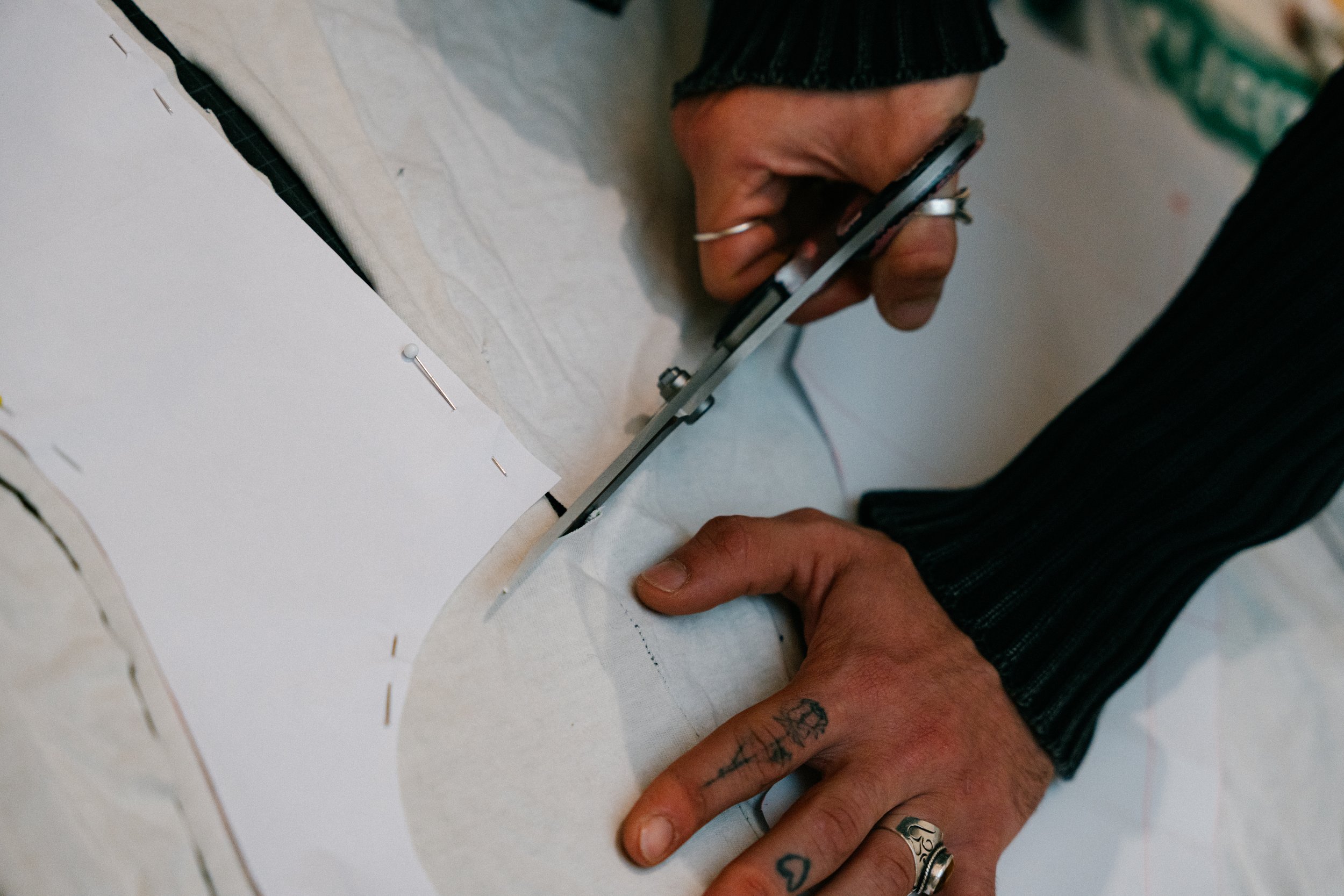
What’s next for the collective after this show?
We don’t have a fixed plan yet. This Backhaus pop-up is the main thing for now. But since some of us like Alena and me have finished our degrees and have more time and energy to focus on the collective, we’re excited to dive deeper into smaller projects, pop-ups, photoshoots, and collaborations. We’re definitely planning something for the Fashion Week in January, though what exactly that will look like is still up in the air — maybe a show, maybe something else. We want to keep things open, stay collaborative, and find ways to make fashion less elitist and more accessible.